WORK HAS BEGUN ON MICHELANGELO PISTOLETTO’S “THIRD PARADISE” IN WROUGHT IRON FOR THE 50TH ANNIVERSARY OF THE EUROPEAN BIENNIAL OF BLACKSMITH ART IN STIA

July 16, 2026 WORK HAS BEGUN ON MICHELANGELO PISTOLETTO’S “THIRD PARADISE” IN WROUGHT IRON FOR THE 50TH ANNIVERSARY OF THE EUROPEAN BIENNIAL OF BLACKSMITH ART IN STIA The first previews of the celebratory calendar, scheduled for September 4–6, 2026, have also been announced. Michelangelo Pistoletto’s Third Paradise in wrought iron is beginning to take shape, created to mark the fiftieth anniversary of the European Biennial of Blacksmith Art in Stia. This event has been showcasing artistic and artisanal ironwork since 1976, and is promoted and organized by the Autonomous Association for the Biennial of Blacksmith Art in Stia and the Municipality of Pratovecchio Stia, in the province of Arezzo. From September 4–6, 2026, a special year will be celebrated, spanning the 26th Biennial and the next regular edition, with a comprehensive program of events centered on the sculpture’s unveiling. In the S.T.I.A. workshop, – School Training Iron & Arts: The forges are lit to create one of the most emblematic works by Pistoletto, a leading figure in Italian contemporary art. This project is curated by Loris Innocenti and Tommaso Venco of Hexisart, in collaboration with the Pistoletto Cittadellarte Foundation, with Francesco Saverio Teruzzi as its coordinator. The project will be created by a team led by art blacksmiths Roberto Magni and Martino Stenico, who designed the sketch, along with the artistic director of the Biennale, interpreting the famous symbol that represents the possible balance between nature and artifice, between technological innovation and environmental responsibility. The design concept draws inspiration from a game in which balance is the fundamental element: the Shanghai stick game. The intertwining of individual sticks creates a dynamic composition that recalls two opposing elements, evoking the principle of balance between opposites. The structure will be composed of 100 iron elements: 50 will form the central core, in homage to the 50th anniversary of the Stia Biennale d’Arte Fabbrile, while the remaining 50 will be distributed 25 per side. The ends of each element will be made of polished stainless steel, a design choice that gives the work luminosity and enhances its visual impact. The reflection of light thus becomes an integral part of the expressive language of the project, metaphorically symbolizing the ongoing search for knowledge, hope, and the dialogue between tradition and the future. A symbol of the dialogue between contemporary art and the blacksmith tradition, the sculpture will become part of the collection of the Municipality of Pratovecchio Stia and will be placed in the Parco delle Terme del Palagio Fiorentino and officially handed over to the community during the fiftieth anniversary celebrations. The Third Paradise will also be one of the wrought-iron installations on the new permanent art trail that will run through the historic center of Stia, created by blacksmiths participating in various editions of the Biennale d’Arte Fabbrile (Blacksmith Art Biennial). This urban museum will have its ribbon-cutting ceremony during the celebrations. The fiftieth anniversary celebrations of the Biennale d’Arte Fabbrile will also be an opportunity to retrace the event’s history through its key figures. During the event, awards will be presented to some of the most representative master blacksmiths who have participated in past editions and to those who, with their contributions, have made the Biennale an international reference point for the world of forging and wrought iron. The celebratory calendar will also include the construction of the new entrance gate to the S.T.I.A. green area. Academy, a work born from the winning project of the 10th “Pier Luigi della Bordella” International Design and Drawing Competition, held as part of the 2025 Venice Biennale. This work demonstrates the dialogue between young designers and master blacksmiths, a hallmark of the event. The Third Paradise is a symbol that Michelangelo Pistoletto imagined in 2003, but it is the fruit of his entire research: the search for self through images and relationships with others. Here in Stia, this symbol does not enter the community, but rather the community translates the symbol into its own reality, its own tradition. I would like this message to remain: we will not have a Third Paradise made of iron, but a Third Paradise made of relationships. Pistoletto, at over ninety years old, continues to send messages that speak of a new balance between what nature has given us and what man creates. The community of Stia and the Biennale have successfully embraced this message, translating it into their own reality, into the tradition of blacksmiths, who dialogue with the material, transform it, but never impose themselves on it. Saverio Teruzzi, official representative of Cittadellarte – Fondazione Pistoletto. “Celebrating the fiftieth anniversary of the European Biennial of Blacksmith Art represents an important milestone not only for Pratovecchio Stia, but for the entire Casentino area. In this half-century, the Biennial has It has strengthened the bond between Stia and the art of wrought iron, keeping alive a tradition deeply rooted in our history and making it known and appreciated in Italy and abroad. Making this anniversary even more significant will be the creation of Michelangelo Pistoletto’s “Third Paradise,” a work by one of the greatest protagonists of contemporary art, which will take shape thanks to the work and expertise of our master blacksmiths. Luca Santini, Mayor of Pratovecchio Stia “Since the Biennale’s founding, it has been a journey of continuous growth that has seen the event become the most important exhibition in Europe, attracting the most prestigious blacksmiths in the world. After 50 years, the work continues to grow with the same spirit and vigor, and with the prospect of further developments. The creation of the Third Paradise by the Biennale’s blacksmiths, designed by the master Pistoletto, will confirm the success of an event that has always promoted the union of tradition and innovation, craftsmanship and art, natural materials and artifice,” said Piero Milli, president of the Autonomous Association for the Biennale of Blacksmith Art. “Combining Pistoletto’s trinamic style with the strength of local wrought iron means celebrating the mastery of the region and restoring its cultural centrality. For
MICHELANGELO PISTOLETTO’S THIRD PARADISE FOR THE 50TH ANNIVERSARY OF THE STIA BIENNIAL OF BLACKSMITH ART
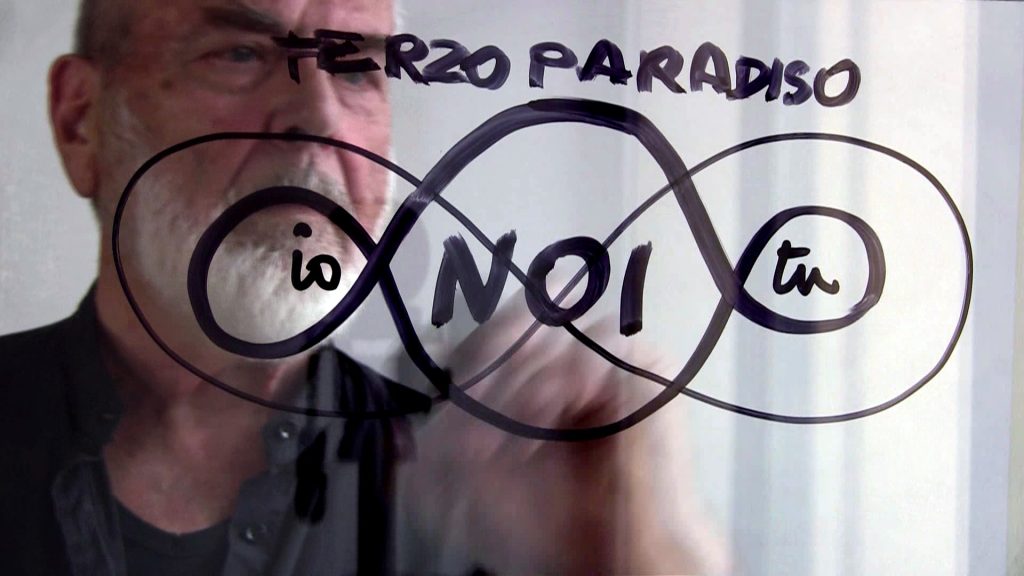
July 3, 2026 MICHELANGELO PISTOLETTO’S THIRD PARADISE FOR THE 50TH ANNIVERSARY OF THE STIA BIENNIAL OF BLACKSMITH ART Thanks to the collaboration with the Fondazione Pistoletto Cittadellarte, on the occasion of the anniversary, the wrought iron artwork will be created On the occasion of the fiftieth anniversary of the Biennale Europea d’Arte Fabbrile di Stia (European Biennial of Blacksmith Art of Stia), in the province of Arezzo, the Terzo Paradiso (Third Paradise) by Michelangelo Pistoletto will be created in wrought iron. The project, curated by Loris Innocenti and Tommaso Venco of Hexisart, stems from the collaboration with the Fondazione Pistoletto Cittadellarte and Francesco Saverio Teruzzi as its representative, and stands as one of the central events in the celebrations of this initiative dedicated to artistic and artisanal ironworking, promoted and organized by the Associazione Autonoma per la Biennale d’Arte Fabbrile di Stia and the Municipality of Pratovecchio Stia. Born in 1976 from an idea by Pier Luigi della Bordella, Ivan Bruschi, and the then mayor Vittoriano Frulloni, the Biennale Europea d’Arte Fabbrile di Stia is today an international point of reference for the world of forging and wrought iron. Every two years, it transforms this village in the Casentino area into a large open-air laboratory, drawing blacksmiths, artists, artisans, schools, scholars, and enthusiasts from all over the world. The event, considered the longest-running exhibition of artistic forged iron craftsmanship in the world, brings together competitions, live demonstrations, exhibitions, contests, meetings, workshops, and educational moments, with the aim of promoting a tradition deeply rooted in the local territory and projecting it into the future. The year 2026 marks 50 years since the birth of the event; following the record-breaking 2025 edition, which saw the participation of over 350 blacksmiths from all over the world, 2026 becomes a special year of celebration bridging the XXVI Biennale and the next ordinary edition, already announced for September 3rd to 6th, 2027. The Terzo Paradiso is one of the most emblematic works by Michelangelo Pistoletto, a leading figure in Italian and international contemporary art. It was born as an evolution of the mathematical symbol for infinity: to the traditional structure composed of two loops, the artist adds a third, central circle. The three circles represent three symbolic phases in the history of humanity: the first depicts original nature; the second represents artifice—technology, science, and the production system—while the central third circle represents a new synthesis, a future phase in which nature and artifice achieve a responsible balance. The artwork does not possess a fixed or definitive form, but is realized through ever-changing materials and adapts to the contexts in which it is activated. The project takes on a special meaning during the fiftieth anniversary of the Biennale del Ferro Battuto di Stia, linking the productive identity of the region with a contemporary vision. Wrought iron, a material that has always characterized the Biennale, becomes the medium through which the symbol of the Terzo Paradiso takes shape, uniting artisanal knowledge with the language of contemporary art and enhancing local skills as an expression of cultural production. The creation of the artwork will involve blacksmiths, institutions, and the community in a shared journey, confirming the role of the Biennale as a place of participation and co-creation. The artwork will be inaugurated during the special event scheduled in Stia from September 4th to 6th, 2026, and will then be donated to the Municipality to be permanently displayed in a public space within the town. The collaboration with the Fondazione Pistoletto Cittadellarte fits into a path that, since the birth of the Biennale in 1976, has seen the event weave together the world of art with that of craftsmanship. This is also evidenced by the Biennale’s logo, the “Fabbro” (The Blacksmith), drawn in sanguine and charcoal in 1976 by Pietro Annigoni, a painter of Milanese origin deeply connected to Stia, where he owned a residence. This emblem has accompanied the event since its inception and today, fifty years after its birth, continues to represent its identity, following a dialogue between great artists and master blacksmiths that finds a new and significant chapter in the creation of the Terzo Paradiso. Among the projects strengthening the European dimension of the Biennale is also Iron Notes, an initiative co-funded by the European Union under the Creative Europe program, created to promote the artisanal tradition of iron forging and to stimulate cultural reflection on its role in contemporary times.
The Biennale approaches its fiftieth anniversary: Piero Milli is the new President.

May 16, 2026 The Biennale approaches its fiftieth anniversary: Piero Milli is the new President. The association’s Board of Directors has been renewed. A special event will mark its 50th anniversary from September 4th to 6th, 2026, followed by the regular Biennale in 2027. The European Biennial of Blacksmith Art in Stia begins a new chapter in its history and prepares to celebrate a significant anniversary for the region: the 50th anniversary of the event, which will be celebrated with a special event scheduled for September 4-6, 2026. Elections for the Board of the Independent Association for the Stia Biennial of Blacksmith Art were held in recent days at the Association’s headquarters in Stia. Members elected the 15 members of the new Board: Maria Gemma Bendoni, Pier Paolo Biagiolini, Jonas Biggeri, Claudia Bresciani, Stefan Carpentier, Michela Cecconi, Laura Cocchetti, Benedetta Della Bordella, Bettina Della Bordella, Sandro Faggioli, Elena Fani, Carlo Gabrielli, Valeria Grofi, Piero Milli, and Mario Sereni. During the subsequent Board meeting, the newly elected members chose Piero Milli as the new President and confirmed Benedetta Della Bordella as Vice President. Milli succeeds Maria Gemma Bendoni, who led the Association for three terms, from 2014 to 2026. The Association thanks her and the entire board for their work over the years, their dedication to the event’s growth, and their contribution to establishing the Biennale as a key event at the national and international level. Piero Milli’s appointment comes at a particularly significant time for the Biennale. Milli has been intimately familiar with the event’s history since its inception: as a youth, he was actively involved in the then-Wrought Iron Exhibition, founded in 1976 and later transformed into the International Biennial of Blacksmith Art, which over the years attracted metal sculptors, artists, and master blacksmiths of national and international renown to Stia. With the introduction of the World Blacksmithing Championship within the Biennale, Piero Milli served on the juries as secretary and coordinated all the conferences held by blacksmiths and industry experts, closely following the evolution of an event that has successfully combined competition, artistic research, artisanal tradition, and openness to the world. Since 2016, he has also served on the Board of Directors of “RING – The Ring of European Cities of Iron Works,” a European network that brings together municipalities and villages linked to the history and culture of ironworking. The new Board will therefore accompany the Association towards the fiftieth anniversary of the Biennale, with the aim of promoting a history born in the heart of Casentino and grown to become a heritage shared by an international community of blacksmiths, artists, artisans, and enthusiasts. The 2026 special event will be dedicated to the 50th anniversary of the event: not a regular edition of the Biennale, but a celebratory moment designed to commemorate the journey from 1976 to the present, pay tribute to those who have contributed to its growth, and relaunch Stia’s role as the Italian capital of wrought iron and a meeting place between tradition and innovation. The last edition, the 26th European Biennale of Blacksmithing, took place in September 2025 and confirmed the event’s appeal, with over 350 blacksmiths in attendance, more than 250 participants in the Blacksmithing Championship, thousands of Italian and international visitors, and a program featuring forges, exhibitions, competitions, meetings, installations, and initiatives throughout the village. This record-breaking edition reaffirmed the value of the Biennale not only as an artistic and artisanal event, but also as an important driver of cultural and tourism promotion for Stia and the Casentino region. The European project “Iron Notes” continues in 2026, involving the Biennale di Stia and international partners in research, education, and exchange on the artisanal tradition of iron forging and its role in contemporary life. The project will be present at both the special fiftieth anniversary event in 2026 and the next edition of the Biennale, scheduled for September 3–6, 2027, contributing to strengthening the event’s European and international dimension.
The Stia Blacksmith Art Biennial at the 2026 Volontari@Work National Award
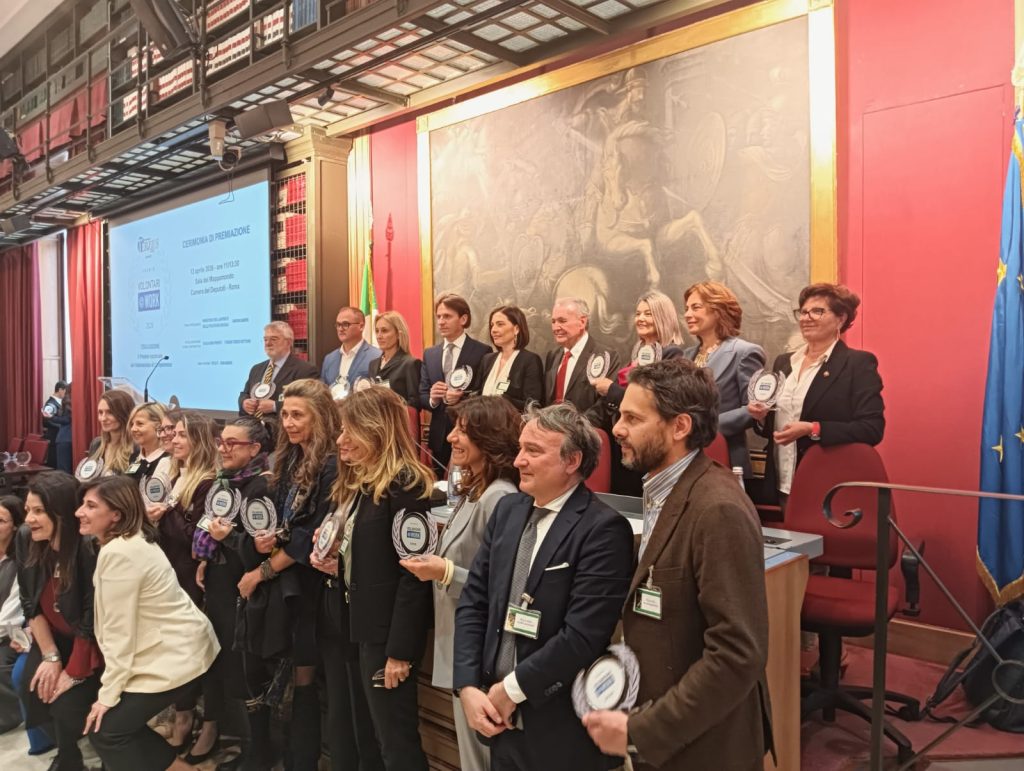
April 14, 2026 The Stia Blacksmith Art Biennial at the 2026 Volontari@Work National Award The Stia Blacksmith Art Biennial participated in the third edition of the Volontari@Work 2026 National Award, an initiative dedicated to promoting skilled volunteer work promoted by the Terzjus Foundation. The awards ceremony took place on April 13th in Rome, in the Sala del Mappamondo of the Chamber of Deputies. Representing the Autonomous Association for the Stia Blacksmith Art Biennial were President Maria Gemma Bendoni and Councilor Daniela Ceccarelli. Although not among the awarded projects, the nomination represented an important opportunity to recognize the Biennial’s organizational model, which is based on the crucial contribution of volunteers. Since its inception in 1976, the event has relied on the active participation of the local community, which supports the association in cultural promotion, event logistics, and hosting artists. Today, the Biennale can count on a network of over one hundred volunteers who offer a variety of skills: from technical management of the forges to linguistic mediation for blacksmiths from around the world, to support in communication, teaching, and organizing cultural activities. This commitment is one of the cornerstones of the event, which every two years transforms Stia into an international hub for the art of forging. Over time, it has contributed to the creation of a permanent cultural ecosystem, including the Iron Museum and the STIA – School Training Iron & Arts. Participation in the Volontari@Work Award confirms the value of volunteering as a driver of cultural and social growth for the Casentino region and as a fundamental element in the development and continuity of the Biennale.
The Oslo Biennale: Tuscan tradition meets European art
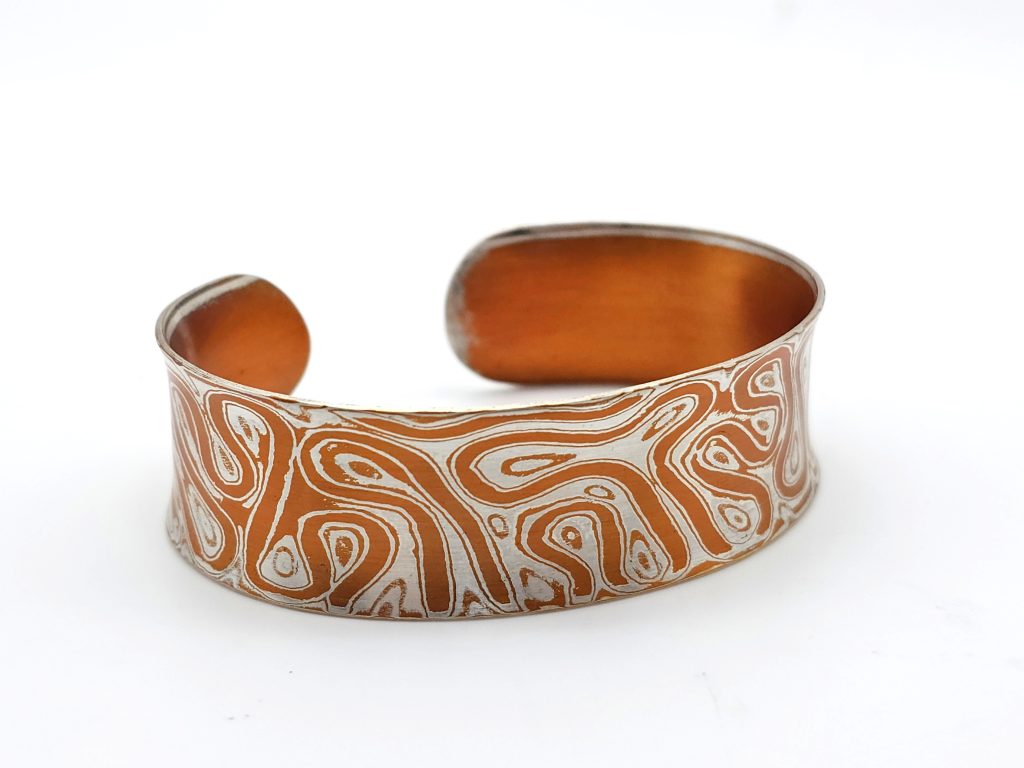
11 April, 2026 The Oslo Biennale: Tuscan tradition meets European art On Wednesday, April 15th and Thursday, April 16th, a delegation from the European Biennial of Blacksmith Art in Stia will be in Oslo to take part in the activities of Iron Notes, a European project launched in 2025 to promote iron and metalworking in contemporary art. The Biennial’s presence in Norway represents an important opportunity to promote the artisanal heritage of Casentino, where ironworking is an integral part of the region’s history and identity, and at the same time to engage with the European art scene. The Biennial thus confirms its role as an ambassador for a tradition that, originating in Stia and Tuscany, continues to build international connections and tell, through iron and metals, stories of culture, memory, identity, and experimentation. Representing the Stia Biennial will be Dario Simonetti and Adele Amato of the Autonomous Association for the Biennial of Blacksmith Art, along with blacksmith-artist Niko Giordani, a master of the STIA School Training Iron & Arts. Born into a family of blacksmiths and sculptors, Giordani grew up in the family workshop, where he learned ancient forging techniques from a young age. Today, he pursues a path of study, research, and experimentation, focusing in particular on the layering of metals, developing a contemporary artistic vision that combines excellent craftsmanship and formal research. In Oslo, he will present three jewels that express in an original way the dialogue between artisanal knowledge and contemporary language.“My artistic research,” explains Giordani, “is not born of convenience, but of conflict and symbiosis with matter. I choose materials like titanium, zirconium, and Damascus steel because they are not easily tamed; they require respect, extreme temperatures, and a deep understanding of their chemical and physical reactions. The Mokume Gane technique and layered forging allow me to paint with fire, creating veins that make the movement within the metal eternally visible, like the grain of a tree that changes as it grows.” The works on display will include a piece of Damascus steel, gold, and black diamond, which combines material strength with goldsmith precision; a rigid bracelet in Mokume Gane, created by layering copper and silver and evoking the natural grain of wood; and a pendant inspired by the shape of a ray, in which anodized titanium, titanium, and Damascus zirconium create a balance between organic inspiration and engineering precision. The Iron Notes activities will take place at the Oslo National Academy of the Arts (KHIO), which will host seminars, workshops, exhibitions, and performances dedicated to the dialogue between memory, material, and contemporary experimentation. The two-day event will focus on the seminar “Forged Narratives – Art, Memory, and Material in Contemporary Blacksmithing”, which focuses on the evolution of blacksmithing practice in Europe and Scandinavia. Participation in Oslo confirms the role of the Stia Biennale as an international reference point for the promotion of the art of blacksmithing and the valorization of quality craftsmanship that, rooted in tradition, continues to renew itself and dialogue with the present.
6th “Rossana Molinatti” Photography Contest

7 ottobre 2025 6th “Rossana Molinatti” Photography Contest The 6th “Rossana Molinatti” Photography Competition was held during the 26th edition of the European Biennial of Blacksmith Art in Stia. It was open to all—photography professionals and enthusiasts—regardless of age or nationality. The theme chosen for this edition, “Traces of Fire, Artistic Shots“, inspired the 25 participants to express the strength, creativity, and beauty of wrought iron through images. Each photographer was able to submit up to five shots, taken during the Biennial (September 4–7, 2025). The works will be judged by a jury composed of FIAF President Roberto Rossi, members of the W. Soldani Photographic Association of Bibbiena, and a representative of the Autonomous Association of the European Biennial of Blacksmith Art in Stia. Judging criteria will take into account the ability to interpret the theme, creativity, and technical quality of the images. The three winners will each receive a wrought iron work, crafted by master craftsmen.The awards ceremony will be held during the Vinolio Novo event, scheduled for November 15 and 16, 2025, at the Lanificio di Stia.
The European Biennial of Blacksmith Art at the Grave Marker Conference 2025 in Sweden

7 october 2025 The European Biennial of Blacksmith Art at the Grave Marker Conference 2025 in Sweden From October 9 to 12, 2025, the European Biennial of Blacksmith Art will take part, as a partner of the European project Iron Notes, in the Grave Marker Conference 2025, held at the Steneby Campus of the University of Gothenburg (Sweden). The conference is part of the international research and exchange activities promoted by Iron Notes, a project co-funded by the European Union through the Creative Europe programme. The central theme of the 2025 edition will be “Death and Memorial”, featuring a rich program of lectures, workshops, and demonstrations led by university professors and international partners. Alongside the academic sessions, the Nya Magasinet exhibition space on campus will host the exhibition Iron Notes – Passage, curated by Lina Artemis, showcasing works and artefacts that explore death as transition, transformation, and shared memory. The Biennial will be represented by master blacksmiths Roberto Magni and Martino Stenico, together with student Jonas Biggeri, representing the new generations. Maria Gemma Bendoni, Dario Simonetti and Adele Amato will also participate remotely, contributing online at the meeting on Sunday morning. Through its participation alongside other international partners, the Biennial contributes to this important European event that brings together research, education, and contemporary metal art, strengthening international dialogue on the culture of iron and blacksmithing. Further information about the conference program is available at the following link:Grave Marker Conference 2025: https://metalartsweden.com/research/grave-marker/conference-2025.html Dal 9 al 12 ottobre 2025 la Biennale Europea d’Arte Fabbrile prenderà parte, in qualità di partner del progetto europeo Iron Notes, alla Grave Marker Conference 2025, che si terrà presso il Campus Steneby dell’Università di Gothenburg (Svezia).La conferenza si inserisce all’interno delle attività di ricerca e scambio internazionale promosse da Iron Notes, progetto co-finanziato dall’Unione Europea attraverso il programma Creative Europe. Tema centrale dell’edizione 2025 sarà “Death and Memorial” (morte e memoriale), con un ricco calendario di conferenze, workshop e dimostrazioni guidati da professori universitari e partner internazionali. Parallelamente agli incontri accademici, presso lo spazio espositivo Nya Magasinet del Campus verrà allestita la mostra Iron Notes – Passage, a cura di Lina Artemis, che raccoglie opere e manufatti capaci di esplorare la morte come passaggio, trasformazione e memoria condivisa. La Biennale sarà rappresentata dai maestri fabbri Roberto Magni e Martino Stenico insieme allo studente Jonas Biggeri, in rappresentanza delle nuove generazioni. Alla conferenza prenderanno parte anche Dario Simonetti e Adele Amato, che interverranno online nella mattinata di domenica. Con la sua partecipazione, accanto agli altri partner internazionali, la Biennale contribuisce a questo importante appuntamento europeo che unisce ricerca, formazione e arte contemporanea del metallo, consolidando il dialogo internazionale sulla cultura del ferro e della forgiatura. Maggiori informazioni sul programma della conferenza sono disponibili al seguente link: Grave Marker Conference 2025: https://metalartsweden.com/research/grave-marker/conference-2025.html
“Iron Notes Summer Camp 2025 – NextGen Blacksmith” Comes to a Close: A Program Dedicated to Young Blacksmiths

20 GIUGNO 2025 “Iron Notes Summer Camp 2025 – NextGen Blacksmith” Comes to a Close: A Program Dedicated to Young Blacksmiths The Iron Notes Summer Camp 2025 – NextGen Blacksmith has officially concluded. This residential professional training camp, part of the Erasmus+ European program and supported by the Tuscany Region, was dedicated to young aspiring blacksmiths from across Europe. From September 6 to 10, 17 students and 3 teachers from Estonia, Sweden, Norway, and Finland took part in a fully immersive experience in Stia, engaging in workshops, training sessions, and discussions with master blacksmiths Roberto Magni and Martino Stenico. The camp was hosted at the S.T.I.A. Academy – School Training Iron & Arts, where participants explored new forging techniques, compared traditional and contemporary approaches, and discovered how wrought iron can serve as both a creative language and a cultural dialogue. The initiative is part of the European project “IRON NOTES – At the Borders of Iron,” which connects institutions, universities, and cultural organizations in a dynamic international network. The Summer Camp was inaugurated on September 6 at the historic Lanificio di Stia, with an official welcome event for Erasmus students, open to visitors of the European Biennale of Blacksmithing Art. Now that the in-person camp has ended, the conversation continues online via the Facebook group:Iron Notes Blacksmithing & Metal Art CommunityAn international meeting space for blacksmiths, metal artists, students, researchers, and anyone interested in the field, the group is designed to share experiences, tips, inspiration, and reflect on the role of forging and metalwork in tradition, art, and contemporary society. The goal is to build and maintain an online community of qualified professionals across the EU — a platform that also encourages cross-border collaborations in the creative and artistic sectors, beyond the scope of the core project consortium. Learn more about our European projects: www.biennaleartefabbrile.it/progetti-europeiDiscover the S.T.I.A. Academy: www.stia.academy PrevPRECEDENTEHUB Social: gli studenti protagonisti della Biennale 2025 AVANTITutti i vincitori della XXVI edizione e le date della prossima edizioneNext
All the winners of the 26th edition and the dates of the next edition

10 settembre 2025 All the winners of the 26th edition and the dates of the next edition The 26th European Biennale of Blacksmithing Art in Stia closed with a record-breaking edition, which saw over 250 blacksmiths compete in the World Forging Championship and thousands of visitors bring the Casentino village to life. The title of World Champion of the 12th Forging Championship, dedicated this year to the theme “Myths and Magic,” was awarded to Italian blacksmith Giampaolo Maniero for his piece “La Sciabolata di Perseo,” celebrated in a packed Piazza Tanucci. Second place went to Isacco Szathvary with “Knock knock knocking at the wizard’s door,” while third place was awarded to Stefano Fagioli with “Sambuco (albus silente).” In the team category, the Czech Republic dominated the competition: first prize went to Rulf, Trpisovsky, Havranek, and Tomasek with “When the light ends, the trade begins”; second prize to Ruth, Jungr, Rosecky, and Wasserbauer with “The birth of Venus”; and third prize to Lubos, Hartinkov, and Frantisek with “Oracolo.” The jury, chaired by architect Pietro Carlo Pellegrini, also awarded prizes in the other competitions. In the 5th International Sculpture Competition, themed “Magica-mente,” first place went to German artist Matthias Kuehn with “Lumen Mentis,” followed by Ukrainian artist Roman Kost with “The living” and Italian Davide Caprili with “L’angelo che è in te.” In the 11th “Pier Luigi della Bordella” Design and Drawing Competition, which invited participants to design the gate for the Stia School of Blacksmithing Art, first prize was awarded to Leonardo Innocenti with “Onda anomala,” second to Jonas Biggeri with “Il testimone,” and third to Belgian artist Dirk Van Esser with “Bound by fire.” Three special mentions were also given for works exhibited in the “Lanificio Spazio Vuoto_Incubatore di Idee” space: Martino Stenico with “Panca tonda,” Roberto Magni with “Infinto,” and Rosario Maglione with “Coffee break.” For the first time, the special “Pietro Annigoni” Prize, awarded by the Banca di Anghiari e Stia and dedicated to the youngest competing blacksmith, went to Czech participant Tomas Usijka, born in 2008. During the closing ceremony, the Mayor of Pratovecchio Stia, Luca Santini, announced a special event in 2026 to celebrate the 50th anniversary of the Biennale, while the president of the Independent Association of Blacksmithing Art, Maria Gemma Bendoni, confirmed the dates of the next edition: from September 2 to 5, 2027. Photo by Leonardo Gori PrevPRECEDENTEYoung Ambassadors of Blacksmith Art: Students Protagonists of the 2025 Biennale AVANTISi è concluso “Iron Notes Summer Camp 2025 – NextGen Blacksmith” dedicato ai giovani fabbriNext
Social Hub: Students at the forefront of the 2025 Biennale

2 SETTEMBRE 2025 Social HUB: Students Take Center Stage at the Biennale Discovering the Biennale from the inside, telling its story in real time, and becoming digital ambassadors of forged art.With the new Social HUB, one of the most cherished innovations of the 2025 European Biennale of Forged Art comes to life. The space will be set up in Piazza Mazzini, next to the World Forging Championship, the beating heart of the event. Here, among fire and anvils, an interactive hub will be created where artists, blacksmiths, volunteers, and industry experts can meet and engage with the public. Thanks to the collaboration with local high schools, the European Association for the Biennale of Forged Art has developed a project within the Pathways for Transversal Skills and Career Guidance (PCTO) program. An initiative that combines school education and hands-on experience, offering students the opportunity to experience the Biennale as protagonists. During the event days, the students will be involved in various activities: from managing bookings for side events, to welcoming visitors with information on schedules, locations, and events, to the creation of podcasts, interviews, and digital content to share the unique atmosphere of the Biennale. The classes participating in the project are:III A ISIS “G. Galilei” of Poppi (Tourism Technical Program),III A and III B Scientific High School “G. Galilei” of Poppi,III A Computer Science, III D Mechanics, and IV A Computer Science of ISIS “E. Fermi” of Bibbiena. A formative experience that combines tradition and innovation, enhancing the world of wrought iron through the fresh and curious eyes of the new generations. PrevPRECEDENTEThe official map of the 26th European Biennial of Blacksmith Art is online. AVANTIAll the winners of the 26th edition and the dates of the next editionNext